
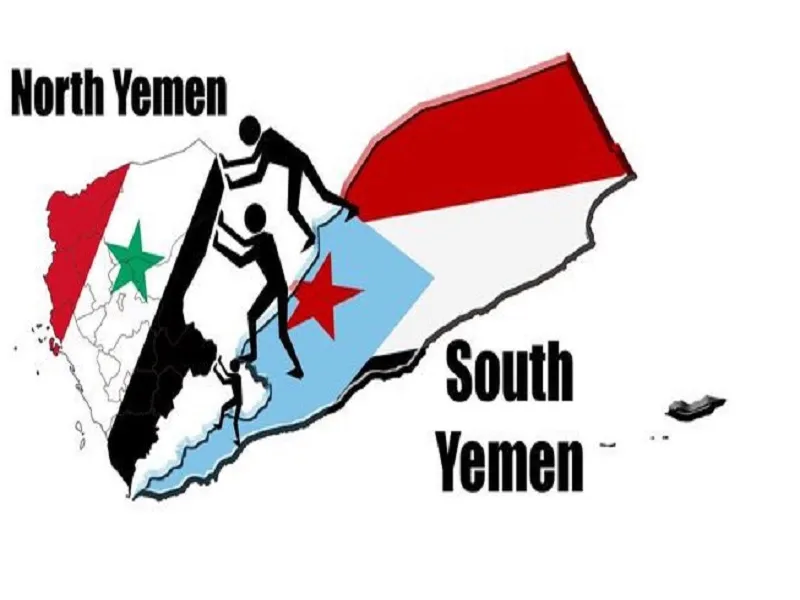
Given the sacrifices that they’ve already made for their cause, most South Yemenis will likely oppose the Saudis’ plot to subordinate them, with the only possible exception being some bribed tribes in the energy-rich East misled by promises of de facto incorporation into the Kingdom.
The South Transitional Council (STC), the populist-nationalist organization seeking to restore South Yemen’s independence in the 21st century as the State of South Arabia, unexpectedly found itself at the center of regional developments over the past month. A successful anti-smuggling operation in East Yemen ahead of its unilateral move towards autonomy saw them establish control over the entirety of the country, yet now they hold no territory, and some members have since tried to dissolve the STC.
Unbeknownst to them, Saudi Arabia, with whom they’ve been allied against the Houthis for over a decade, expected to establish a client state in East Yemen after failing to do so over the whole country during the course of the conflict, ergo its overreaction to their operation. The Kingdom demanded that the STC withdraw from East Yemen and that their shared Emirati allies pull out of the entire country within 24 hours. The first refused while the second complied and then a bombing campaign began.
The Saudis’ backstabbing of the STC was unforeseen since it placed the Kingdom on the same side as the Muslim Brotherhood’s Yemeni branch, Islah, with whom political ties had normalized as proven by their appointment to the ruling Presidential Leadership Council, and created space for Al Qaeda to regroup. The STC was then summoned to Riyadh for talks, which founder Aidarous Zubaidi didn’t attend at the last minute, with the Saudis claiming that he fled to the UAE while the STC said he’s still in South Yemen.
They then bombed his hometown, and the STC members who went to Riyadh dissolved the group in a move that its members outside of Saudi Arabia denounced as being done under coercion after their colleagues were detained by the Kingdom. Saudi Arabia infamously detained former Lebanese Prime Minister Saad Hariri in 2017, during which time he was coerced to resign, though it was later rescinded. Massive rallies in support of the STC have since been held in the South Yemeni capital of Aden.
Therefore, despite the STC’s fortunes radically flipping from controlling all of South Yemen, unveiling a two-year roadmap to an independence referendum, and even sharing a 30-article constitution to holding no territory at all and some members trying to dissolve it, the group is still genuinely popular. This presents challenge for the Saudis since it means that imposing an unpopular puppet regime upon the South for subordinating it as a client state could realistically provoke civil disobedience or worse.
They’re therefore expected to create a proxy superficially representing Southern interests in place of the STC (and likely comprising some of its detained members) to divide the STC’s base ahead of their planned intra-Southern conference. It’s assessed that their goal is to get their puppets in the South and East to agree to broad autonomy, possibly in a confederation, whether between them as a nominally independent but Saudi-dominated state or as a “united Yemen” with the Houthi-controlled North.
Given the sacrifices that they’ve already made for their cause, most South Yemenis will likely oppose the Saudis’ plot to subordinate them, with the only possible exception being some bribed tribes in the energy-rich East misled by promises of de facto incorporation into the Kingdom. The STC’s armed units were offered re-integration into the Saudi coalition, but their Vice President rejected it, though that doesn’t mean that an insurgency will follow. Southern resistance will likely remain peaceful and political.