
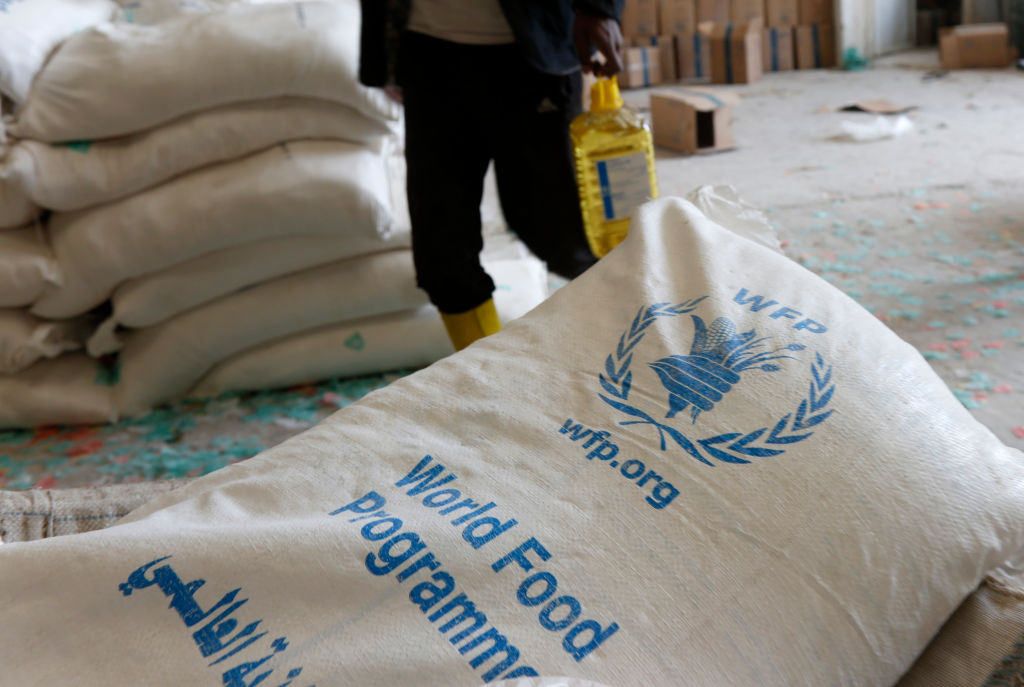
In a dramatic move, the World Food Programme (WFP) is shuttering its operations in northern Yemen, which is currently controlled by the Iran-backed Houthis, UN officials confirmed on January 29.
The Houthis placed restrictions on the agency and harassed its workers, triggering the WFP’s decision to withdraw and ending its humanitarian mission to 18 million Yemenis facing acute food insecurity and potentially famine.
Throughout the second half of 2025, the Houthis undertook numerous campaigns ransacking UN offices and arbitrarily detaining personnel — illegal behavior that has not carried consequences until now.
Yemen’s internationally recognized government (IRG) estimates that the Houthis have profited to the tune of $10 billion by stealing and manipulating international aid. The decision to move UN programs and resources out of Houthi territory removes both a key source of funding for the group and its ability to control Yemenis and blackmail foreigners through the manipulation of aid supplies.
Houthi Arrest Campaigns Target WFP Workers
The UN confirmed on December 18 that the Houthis currently hold 69 UN workers detained on the false charge that UN programs function as “spy cells” for Israel and the United States. Abdulmalik al-Houthi, leader of the Iran-backed terror group, has leveled this accusation at the WFP in particular.
The Houthis sentenced over a dozen people to death in late 2025 after sham trials on espionage charges, though it is uncertain whether any of these individuals are UN-affiliated. In February 2025, the UN announced that a WFP worker died a month after he was arbitrarily detained by the Houthis.
The WFP has periodically suspended operations in Houthi-controlled territory for brief periods due to security concerns, but had not made that a permanent change.
The UN Turns a Blind Eye to Humanitarian Aid Manipulation
International aid has been an invaluable asset to the Houthis for at least a decade. The group controls the entire aid pipeline from points of entry, where it levies taxes and fees, to distribution methods, which favor loyalists. On top of the routine abuse, the Houthis commit flagrant theft. In March 2025, for example, the group stole $1.6 million worth of WFP supplies from a warehouse in Saada in northern Yemen. The WFP temporarily halted new shipments of supplies to Houthi territory in response.
The UN has in many respects colluded with the Houthis over the aid pipeline. As Saudi and Emirati-backed Yemeni government forces were on the verge of capturing Yemen’s main port Hodeidah, the UN played a decisive role in securing an immediate ceasefire to allow the uninterrupted flow of humanitarian aid. Since the agreement eight years ago, the Houthis have failed to adhere to their commitments while simultaneously profiting off all cargo entering the port, including humanitarian aid.
UN Activity in Yemen Requires Intense Donor Scrutiny
The UN should relocate all program and office headquarters to southern territory. The Yemeni IRG controls two major open-sea ports in southern Yemen and has expressed its willingness to provide aid to the population under Houthi control.
Relocation will limit the Houthis’ ability to access and exploit personnel and resources. However, the UN’s previous inability to appropriately respond to Houthi extortion necessitates external involvement. The United States and other donor countries should insist that the UN relocate its operations to the south. They should also implement a third-party oversight mechanism for all UN activity in Yemen to report on Houthi abuses and any UN practices that bolster the group’s manipulations.